
About Us
RIVA is an independent, cross-sectoral reform project modernising the system of prevention and response to violence against women and girls. Our mission is to strengthen the infrastructure, investment, and innovation needed to make the system simpler, more co-ordinated, and more effective over time.
Our Story
RIVA was launched in 2025 to help meet the government's ambition to halve violence against women and girls within a decade.
It began as a practical response to two realities: the lack of shared strategy and system-wide analysis, and the risk that fifty years of learning and capacity in the women’s sector were being lost.
Drawing on our own experience across policy, commissioning, frontline services, social investment, and systems change, we set out to create an independent space to connect expertise across sectors and rethink how the system supports safety, prevention, and recovery outcomes.
We believe meaningful reform requires a wider lens: understanding how institutions, investment, incentives, infrastructure, and culture interact across the life course of victim-survivors and perpetrators.
Our values
Violence against women and girls is a structural problem requiring long-term system reform, not simply service expansion.
Our work is grounded in collaboration across sectors, survivor-centred thinking, and openness to innovation. We are interested in what works in practice: how systems create outcomes, how resources align to impact, and how institutions can become more effective over time. We believe reform must also address inequalities in who is visible to the system, whose needs are understood, and who is able to access safety and support.
We believe reform must be practical, evidence-informed, and capable of implementation within real operational conditions.
Our approach
RIVA works across the state and voluntary sectors to understand how the wider VAWG system operates in practice: how decisions are made, where investment flows, how outcomes are measured, and where opportunities for prevention and reform are missed.
We bring together expertise from across frontline services, policy, commissioning, health, housing, justice, social investment, and research to connect perspectives that are rarely considered together. Our role is not to duplicate frontline services or advocacy, but to help make the system more visible, coherent, and reformable.
Our work combines system mapping, policy development, convening, and test-and-learn activity to explore how infrastructure, incentives, investment, and institutional cultures can better support women and girls’ safety and long-term recovery. We are particularly interested in how stronger system stewardship, learning, and innovation can support continuous improvement over time.
Our people
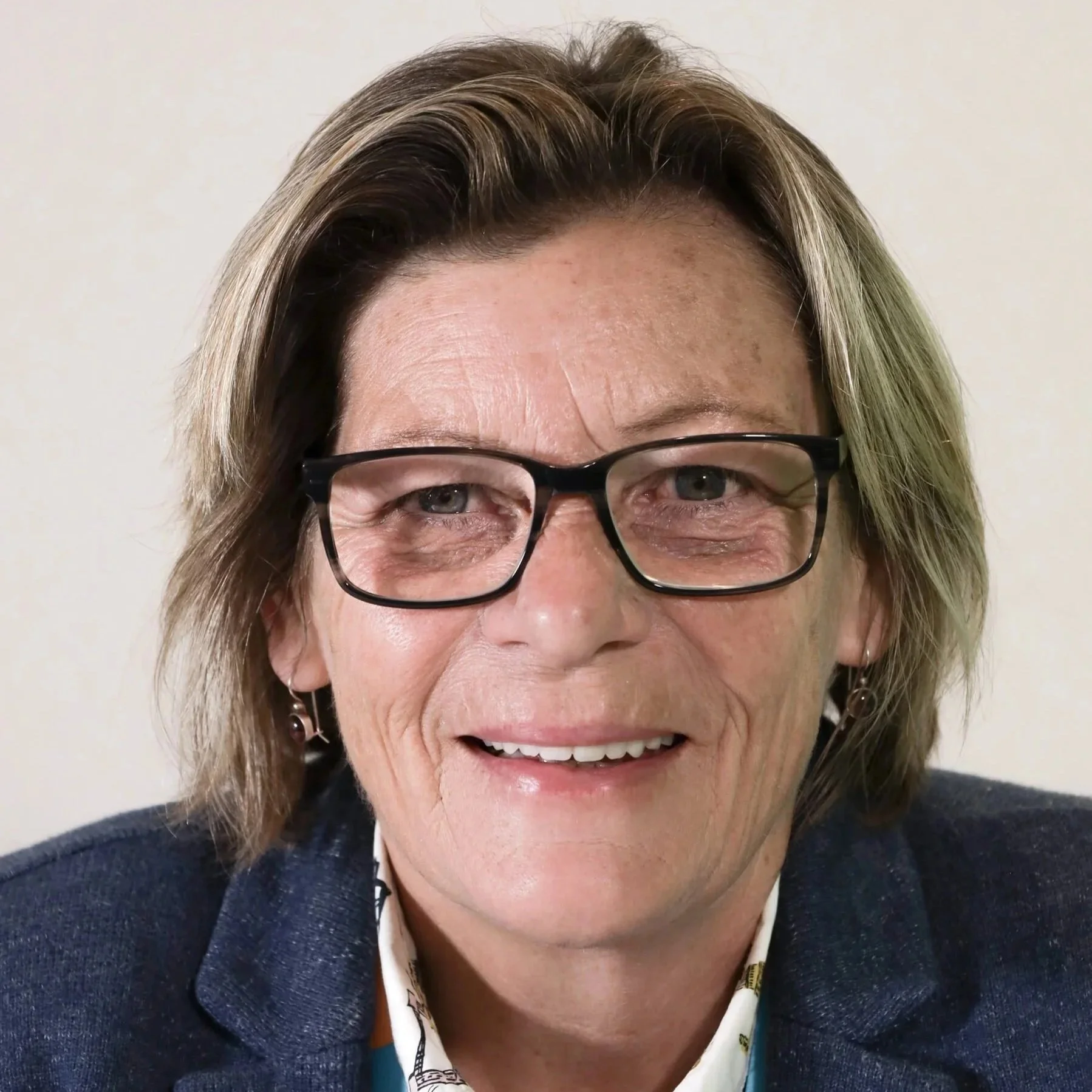
Founder
Dr Becky Rogerson MBE
Becky has over 25 years’ experience leading services in the violence against women and girls sector. She led My Sisters Place in Middlesbrough — one of the UK’s first ‘One Stop Shop’ services for survivors of domestic abuse — helping build its national reputation for innovation and good practice.

Founder
Fiona Sheil
Fiona is a researcher, facilitator, and strategist specialising in cross-sector collaboration, system reform, and violence against women and girls. Her work focuses on how policy, commissioning, investment, and frontline practice can better align to support long-term social change.
Founder
Lisa Hilder MBE
Lisa is a pioneering social entrepreneur and advocate for women’s housing, equality, and financial empowerment. She co-founded Winner, the Preston Road Women’s Centre in Hull - a nationally recognised model of community-led support for women - using innovative social investment to acquire more than 160 safe homes, and Affordable Justice, the UK’s first non-profit family law firm for domestic abuse survivors.
Our People | Advisors
Rosie McLeod is a social research and evaluation specialist with over 20 years’ experience across the social and public sectors.
Rosie is former Head of Data and Learning at NPC, and previously led major studies for government departments (DWP, MoJ, DH and DfE) at research firm Verian. Alongside her technical expertise, Rosie is an experienced trainer and facilitator, helping organisations build capacity to use evidence and centre the voices of the people they serve.
Sarah Lesniewski is a communications strategist, social changemaker, and non-practising lawyer.
Sarah has worked in research, policy, advocacy, and campaigns in the UK and Canada, and across the public, private, and not-for-profit sectors, including roles with the Women’s Budget Group, NCVO, City & Guilds, the Foreign, Commonwealth & Development Office and 10 Downing Street.
Dr Liza Thompson holds a PhD in Law on relational autonomy and domestic abuse and chairs Domestic Homicide and Safeguarding Reviews across the UK.
Liza trained as an Independent Domestic Violence Adviser in 2010 before becoming Chief Executive of SATEDA, a domestic abuse service in Kent. Her work focuses particularly on governance, learning, and strengthening safety within domestic abuse responses. She has developed a national tool and training programme to strengthen mediation safety and provides consultancy and governance support across the domestic abuse sector.